Saturday, September 13, 2025

More Miles, More Gut Trouble?

If you’ve ever trained for a marathon or ultramarathon and found yourself sprinting for the porta-potty afterward, you’re not alone. GI drama is a well-known companion of long-distance events. And now, a new study is raising eyebrows (and some colonoscopes) about whether extreme mileage might actually increase the risk of precancerous colon polyps.

At the 2025 ASCO Annual Meeting, oncologist Dr. Tim Cannon and colleagues at Inova Schar Cancer presented a small but striking study: among 100 elite runners - each with at least five marathons or two ultramarathons under their belts - 15% had advanced adenomas (precancerous growths) and 41% had at least one adenoma. That’s far higher than the ~1-2% rate typically seen in healthy adults of similar age.

The researchers suspect a link between exercise-induced gut stress - aka runner’s colitis - and these findings. Repeated blood shunting away from the intestines during endurance events may cause ischemia (temporary oxygen loss) and micro-injury to the colon. Over years of high-volume training, those tiny hits might add up.

This isn’t a new idea. The Science behind the Runner’s Runs is well documented. 

Even in healthy young adults, intense exercise in extreme heat (even stop-and-go sprints over just 3-4 miles) can trigger ischemic colitis. Studies report exercise-induced gastrointestinal (GI) symptoms in up to 70% of endurance athletes.

So yes, that stomach cramp isn’t just your gel packet revolting; your colon might actually be gasping for air.

Wait, Isn’t Exercise Supposed to Be Good for You? Absolutely. Decades of evidence, including a large randomized trial in NEJM (Courneya et al., 2025), shows exercise improves survival in colon cancer survivors. Moderate, consistent activity is a cornerstone of cancer prevention.

The Inova study doesn’t suggest jogging a few miles a week will hurt you - it’s zeroing in on ultra-endurance lifestyles, where pounding out 40+ miles a week is normal and multiple marathons are a badge of honor. (Because apparently 26.2 miles once wasn’t enough of a flex.)

Exercise remains one of the best things you can do for your health, but like any powerful intervention, more isn’t always better. Science is still catching up on what happens when you treat your body like a mileage sponge. For now, lace up, enjoy your runs, and listen to your gut - literally. After all, nobody brags about a Personal Record in their colonoscopy prep. 


REFERENCES and Notes

Timothy Lewis Cannon, Bonomelli S, Swain WR, Kaltman RD, Mani H, Xia M, Randall J, Wang H, Harnden I, Donet JA, Nguyen VA. Risk of pre-cancerous advanced adenomas of the colon in long distance runners.et al. Risk of pre-cancerous advanced adenomas of the colon in long distance runners. JCO 43, 3619-3619(2025). DOI:10.1200/JCO.2025.43.16_suppl.3619

Vujasinovic M, Omae M, Panic N, Fjellgren E, Bloch N, Kikec Z, Grasselli M, Lindberg G, Löhr JM, Baldaque-Silva F. Gastrointestinal bleeding in long-distance runners: a systematic review. Eur J Gastroenterol Hepatol. 2025 Jun 1;37(6):691-701. doi: 10.1097/MEG.0000000000002931. Epub 2025 Apr 29. PMID: 39976001.

Courneya KS, Vardy JL, O'Callaghan CJ, Gill S, Friedenreich CM, Wong RKS, Dhillon HM, Coyle V, Chua NS, Jonker DJ, Beale PJ, Haider K, Tang PA, Bonaventura T, Wong R, Lim HJ, Burge ME, Hubay S, Sanatani M, Campbell KL, Arthuso FZ, Turner J, Meyer RM, Brundage M, O'Brien P, Tu D, Booth CM; CHALLENGE Investigators. Structured Exercise after Adjuvant Chemotherapy for Colon Cancer. N Engl J Med. 2025 Jul 3;393(1):13-25. doi: 10.1056/NEJMoa2502760. Epub 2025 Jun 1. PMID: 40450658.

Cha S, Kwon BS, Hong N, Park JS, Byun SK, Choi SC, Kim YS. Ischemic Colitis Associated with Rhabdomyolysis and Heat Stroke after an Intense Exercise in Young Adult. Korean J Gastroenterol. 2019 Aug 25;74(2):115-118. doi: 10.4166/kjg.2019.74.2.115. PMID: 31438663.

https://www.inovanewsroom.org/press-release/2025/08/groundbreaking-inova-study-finds-potential-link-between-long-distance-running-and-colon-cancer/

Yu, Candice et al. Exercise-driven modulation of glutamatergic signaling: mechanisms and clinical implications Neuroscience, 2025, Volume 589, 33 - 49.

Summary of the press-release comment thread:

  • Personal stories & thanks: A marathon trainee (stage III colon cancer with BRAF mutation) and others thank Inova for investigating; several endurance athletes are now reconsidering training or seeking screening.

  • Scope beyond running: Ultracyclists and triathletes ask whether the signal is from running mechanics (impact/ischemia) or endurance-sport commonalities (high-sugar fueling, fiber restriction, long efforts).

  • Methodology concerns: Readers question the cited “expected 1–2%” baseline for advanced adenomas (ask for contemporaneous controls), call out small sample, no control group, and urge comparisons with fit and average peers.

  • Timing/context questions: One commenter wonders why this is being detected now (post-COVID era) and suggests caution in public messaging to avoid undue alarm while encouraging screening for ultra-athletes.

  • Media amplification: Several aggregator articles echo the press release; one commenter links to potentially conflicting evidence in NEJM (no details discussed in-thread).

  • Net sentiment: Interest and cautious concern, with strong support for earlier evaluation of symptomatic runners and for larger, controlled follow-up studies before drawing causal conclusions.

https://www.reddit.com/r/science/comments/1nf8uod/study_finds_potential_link_between_longdistance/

Summary of the r/science comment thread:

Headline numbers (from the press release/study summary): commenters highlight that 15% of the 100 endurance runners (ages ~35–50) had advanced adenomas and 41% had any adenoma; average age 42.5 (younger than routine screening). Many find this “shocking.”

Who counted as “long-distance”: people who’d done ≥5 marathons or ≥2 ultramarathons—i.e., very high-volume runners, not casual 5–10K folks.

Big caveats (most-upvoted critiques): tiny, single-center cohort; no control group; wide CIs (e.g., the 15% could be ~8–23%); likely selection/volunteer bias (e.g., ~30% reported blood in stool; among those with advanced adenomas, ~53% reported post-run bleeding). Several users note it appears to be an abstract/press release rather than a fully peer-reviewed paper yet.

Anecdotes abound: multiple stories of very fit runners (some in their 30s–40s) diagnosed with colon cancer; others say such cases are still uncommon in clinical practice.

Hypothesized mechanisms:

  • Ischemia/blood-flow shunting during prolonged exertion (exercise-induced ischemic colitis), repeated micro-bleeds/micro-tears, and mechanical jostling/impact of the colon.

  • Sympathetic surge (adrenaline/noradrenaline) diverting blood from the gut.

  • Diet/exposures common to endurance sports: high sugar/gel use, artificial colors/sucralose, processed supplements, heavy traffic pollution/particulates, microplastics, asphalt dust.

  • Genetic predisposition/selection for people who excel at endurance.


Comparisons/questions:
Could similar patterns exist in cyclists (prostate issues from prolonged pressure) or other endurance athletes? What about walking (most think benefits remain).

Evolution debates: back-and-forth on whether humans “evolved to run long distances” (persistence hunting) vs. arguments that extreme marathon/ultra training is not ancestral nor necessarily healthy.

Practical notes repeated by clinicians/runners: rectal bleeding is not normal; screen at 45 (earlier if symptoms or risk factors). Don’t over-interpret a small, preliminary study; larger controlled studies are needed before drawing causal conclusions.
Evolution debates: back-and-forth on whether humans “evolved to run long distances” (persistence hunting) vs. arguments that extreme marathon/ultra training is not ancestral nor necessarily healthy.

Practical notes repeated by clinicians/runners: rectal bleeding is not normal; screen at 45 (earlier if symptoms or risk factors). Don’t over-interpret a small, preliminary study; larger controlled studies are needed before drawing causal conclusions.

==

In fitness or sports, PR stands for personal record, PB (more commonly used in Canada) is personal best. Runners are using the terms PR and PB somewhat interchangeably.

Thursday, September 4, 2025

From Step Counters to Gut Health Co-Pilots

Many of us wear tiny research labs on our wrists, fingers, and even shoes. These devices quietly track our steps, heartbeats, and sleep cycles. But the future of wearables isn’t just counting steps, it’s building personalized health co-pilots: adaptive, AI-powered systems that understand your unique rhythms and predict problems before they happen. For people with chronic gastrointestinal (GI) conditions like IBS, this shift could be transformative.

Recognizing this potential, the Health Secretary recently unveiled a nationwide initiative to promote wearable adoption. Announced on June 24 as part of the ambitious “Making America Healthy Again” agenda, the campaign aims to encourage every American to integrate these technologies into their daily lives.

A recent review highlights how wearable devices, from smartwatches to sensor patches, are already being used to monitor IBD activity, predict flares, and track biomarkers like fecal calprotectin and C-reactive protein. Future applications may include ingestible sensors, microbiome monitoring, and machine learning-driven early disease detection. Similarly, advances in acoustic sensing are turning bowel sounds into a diagnostic tool for IBS. Miniaturized microphones, AI models like convolutional and recurrent neural networks, and portable recording devices are bringing continuous, objective GI monitoring closer to reality.

But there’s a deeper layer emerging beneath these devices: Network Medicine (NM). NM maps disease as disruptions in interconnected molecular and physiological networks rather than single gene or biomarker abnormalities. By treating diseases like IBS as network-wide phenomena, NM provides a framework for understanding how gut inflammation links to immune responses, microbiome shifts, and even stress hormones. When combined with AI, especially deep learning, NM allows researchers to integrate massive multi-omic datasets (genomics, proteomics, metabolomics) with wearable device streams, revealing subtle, individualized signatures of disease progression or recovery. This fusion moves beyond simple symptom tracking, creating biologically grounded, predictive health models.

Similarly, NM’s predictive networks must adapt dynamically to individual variability. Researchers are working on cross-user adaptive AI and network-aware modeling that runs efficiently on-device, preserving privacy while continuously refining predictions. Recent systematic reviews of large language models in healthcare - echoing earlier analyses of AI’s underutilization in biomedicine - underscore this theme: despite rapid advances, there are persistent gaps between benchmark performance and real-world usability, emphasizing the need for dynamic, evaluator-aware frameworks to guide safe clinical adoption.

Imagine a wearable ecosystem that does more than log symptoms - it connects the dots through network science: a smartwatch detecting subtle heart rate variability, a ring tracking skin temperature trends, and an ingestible sensor analyzing gut pH. Integrated with NM-driven AI, these signals could identify emerging disease network perturbations and predict a flare-up 48 hours in advance, guiding personalized diet tweaks, medication adjustments, or stress management before symptoms strike. Bowel sound analysis, combined with unobtrusive “toilet-lab” technology could replace tedious food diaries with objective, automated insights, creating a continuous and rich feedback loop between the body and the wearer.

The leap from step counters to gut health co-pilots isn’t just a technical upgrade; it’s a paradigm shift -from reactive care to proactive, precision health. By merging wearable technology with AI and NM, supported by seamless in-home lab testing, we’re approaching a future where chronic GI condition management is informed by both real-time physiological data and deep network-level understanding of disease. With careful design, strong privacy safeguards, and adaptive AI, wearable tech could evolve into indispensable tools that don’t just monitor illness but actively shape health outcomes.

REFERENCES

Nicholas GO, Faith LI, Jeric MC, KO O, Kelvin KF, Seung-Min PA, Christopher HT, Sunny HW. Acoustic sensing and analysis of bowel sounds in irritable bowel syndrome-recent engineering developments and clinical applications. Sensors and Actuators A: Physical. 2025 Jul 22:116910.

Harindranath S, Desai D. Wearable technology in inflammatory bowel disease: current state and future direction. Expert Review of Medical Devices. 2025 Feb 1;22(2):121-6.

Irene S. Gabashvili Evaluating General-Purpose LLMs for Patient-Facing Use: Dermatology-Centered Systematic Review and Meta-Analysis medRxiv 2025.08.11.25333149; doi: https://doi.org/10.1101/2025.08.11.25333149

Erturk E, Kamran F, Abbaspourazad S, Jewell S, Sharma H, Li Y, Williamson S, Foti NJ, Futoma J. Beyond Sensor Data: Foundation Models of Behavioral Data from Wearables Improve Health Predictions. arXiv preprint arXiv:2507.00191. 2025 Jun 30.  https://arxiv.org/abs/2507.00191

Cai Y, Guo B, Salim F, Hong Z. Towards Generalizable Human Activity Recognition: A Survey. arXiv preprint arXiv:2508.12213. 2025 Aug 17. https://arxiv.org/abs/2508.12213

Harvard dropouts to launch 'always on' AI smart glasses that listen and record every. TechCrunch Aug 20, 2025 conversation. https://techcrunch.com/2025/08/20/harvard-dropouts-to-launch-always-on-ai-smart-glasses-that-listen-and-record-every-conversation/


Monday, May 12, 2025

Predicting Meal Responses: A Storm of Variables

Predicting how our bodies respond to meals—particularly for individuals with conditions like Irritable Bowel Syndrome - is notoriously challenging. Traditional approaches have relied heavily on averages and generalized dietary guidelines, but each individual's unique genetic makeup, gut microbiome, and lifestyle make standardized predictions unreliable. Aurametrix 1.0 was pioneering software designed to personalize predictions based on individual characteristics, acknowledging that our biology makes us distinct. Yet, as recent studies highlight, even this level of personalization might fall short.

A recent exploratory analysis published in the American Journal of Clinical Nutrition underscores the complexity of individual responses to identical meals. Researchers found substantial variability in glucose responses when the same meal was consumed by the same individual on different days. Using continuous glucose monitors (CGMs), the study tracked glucose responses in participants consuming identical meals one week apart under tightly controlled conditions. Remarkably, about 80% of the variation in glucose responses was attributed to intraindividual factors—biological differences, environmental conditions, and even measurement error—rather than the food itself.

This variability wasn't significantly explained by common factors such as carbohydrate content, energy intake, or physical activity alone. The timing of snack intake, water consumption, recent stress levels, sleep quality, and minor changes in meal composition or eating sequence also influence bodily responses significantly. Similar complexities occur in predicting symptom flares in IBS, where digestive responses can vary dramatically based on recent dietary patterns, hydration, psychological stress, and sleep history.

Behavioral and psychological factors, like stress or anxiety, can profoundly impact digestive function and gut sensitivity, causing variability in how someone with IBS responds even to familiar meals. Likewise, hydration status and recent dietary history can modulate the gut's reaction, making precise predictions difficult. Interestingly, while intraindividual variation (iiV) presents a challenge in the general population, individuals with metabolic disease—particularly those with type 1 or type 2 diabetes—tend to exhibit more predictable glycemic responses to meals - particularly when food categories—rather than just macronutrients—are properly structured through more sophisticated algorithms like Hierarchical Information Criterion (as suggested in Aurametrix 1.0 and demonstrated by Shen et al, 2025)

Emerging research further underscores that a person's response to a meal isn't static but rather dynamic, influenced by a complex interplay of factors over days and weeks, not just hours. These findings suggest that true personalized nutrition must account not only for an individual’s static biological markers but also dynamic behavioral and environmental factors, including past dietary habits, hydration levels, stress, sleep patterns, and even subtle daily activity variations.

Thus, while personalized prediction software like Aurametrix's version 1.0 represented a significant leap forward, the next generation of personalized nutrition and IBS management tools must integrate broader and more comprehensive real-time data. Only then can we better anticipate and manage complex, highly individualized bodily responses.


REFERENCES

Hengist A, Ong JA, McNeel K, Guo J, Hall KD. Imprecision nutrition? Intraindividual variability of glucose responses to duplicate presented meals in adults without diabetes. Am J Clin Nutr. 2025 Jan;121(1):74-82. doi: 10.1016/j.ajcnut.2024.10.007. Epub 2024 Dec 2. PMID: 39755436; PMCID: PMC11747189.

Wolever TM. Personalized nutrition by prediction of glycemic responses: garbage in → garbage out. Am J Clin Nutr. 2025 Jan;121(1):1-2. doi: 10.1016/j.ajcnut.2024.11.004. Epub 2024 Dec 2. PMID: 39755431.

Shen Y, Choi E, Kleinberg S. Predicting Postprandial Glycemic Responses With Limited Data in Type 1 and Type 2 Diabetes. J Diabetes Sci Technol. 2025 Mar 5:19322968251321508. doi: 10.1177/19322968251321508. Epub ahead of print. PMID: 40042044; PMCID: PMC11883769.

Thursday, March 6, 2025

A New Way to Track Dietary Intake?

Diet influences almost every aspect of our health—from digestion and mood to energy levels and chronic disease risk. Yet accurately tracking what we eat has always been tricky. Self-report methods, like food diaries and questionnaires, often fall short: Who remembers exactly what they ate two days ago? Was it one glass of orange juice or two?

But what if the answer to tracking your diet - and, by extension, better managing Irritable Bowel Syndrome (IBS) - was as simple as a smart toilet analyzing your stool?

In a new study published in Nature Metabolism, researchers from the Institute for Systems Biology introduce Metagenomic Estimation of Dietary Intake (MEDI) — a novel approach to dietary analysis that relies on the genetic material found directly in human stool. By analyzing food-derived DNA present in fecal samples, MEDI precisely identifies and quantifies dietary components without the inaccuracies of self-reporting. Rather than relying on memory or written logs, MEDI tracks dietary intake by detecting and measuring tiny fragments of food-derived DNA in stool samples.

The research team first created a vast database containing genetic fingerprints of over 400 edible plants and animals. They then developed a specialized algorithm capable of spotting traces of this DNA within the complex mixture of human and microbial genetic material found in stool samples.

Although food DNA makes up only about 0.001% of the total DNA in stool, MEDI accurately identifies these dietary traces. In controlled feeding studies, MEDI’s accuracy rivaled detailed daily food diaries, correctly estimating calorie, protein, carbohydrate, potassium, cholesterol, and vitamin B12 intake.

This precision can offer invaluable insights to IBS sufferers, who often struggle to pinpoint specific dietary triggers behind their symptoms.

MEDI accurately identified when babies transitioned from milk to solid food, beginning around 160 days of age. MEDI’s dietary estimates closely matched results from traditional food frequency questionnaires, validating its real-world effectiveness. MEDI even identified specific dietary patterns linked to metabolic syndrome—highlighting higher animal-food intake and lower plant-based consumption, along with increased lactose, cholesterol, and certain fats. These findings reinforce well-known dietary patterns linked to inflammation and chronic gastrointestinal discomfort, common in IBS.

MEDI’s potential to objectively track diet offers hope for IBS patients, potentially revealing personalized dietary interventions without tedious logging. As research evolves, IBS patients should keep a close eye on stool analysis approaches —it just might hold the key to better dietary management and improved quality of life.

Diet is the most important piece of the puzzle in IBS. Recent advances in treatments provide more drug-based solutions. In addition to currently available treatments, such as laxatives, antidiarrheals, analgesics, and antispasmodics, targeting the underlying stress with opioid delta-receptor agonists (DOP agonists) may offer a quicker solution with minimal adverse effects. Animal studies showed these compounds reduced abdominal pain and improved bowel regularity through their influence on the brain’s insular cortex, potentially relieving both physical and emotional symptoms. Other promising solutions are psychotherapy, including cognitive-behavioral therapy (CBT) and psychodynamic therapy, Ibodulant, targeting gut neurokinin receptors, significantly reducing abdominal pain and diarrhea symptoms in early studies; GaRP (Gastrointestinal Reprogramming) aiming to reset gut functions, and Blautix, a live probiotic therapy designed to restore gut microbiome balance.


REFERENCES


Diener C, Holscher HD, Filek K, Corbin KD, Moissl-Eichinger C, Gibbons SM. Metagenomic estimation of dietary intake from human stool.  Nat Metab. 2025 Feb 18. doi: 10.1038/s42255-025-01220-1. Online ahead of print. PMID: 39966520 (preprint: bioRxiv 2024 Feb 6:2024.02.02.578701. doi: 10.1101/2024.02.02.578701.

Yoshioka, T., et al. (2024). Agonists of the opioid δ-receptor improve irritable bowel syndrome-like symptoms via the central nervous system. British Journal of Pharmacology. doi.org/10.1111/bph.17428.

Mozaffari S, Nikfar S, Abdollahi M. Drugs of the future for diarrhea-predominant irritable bowel syndrome: an overview of current investigational drugs. Expert Opinion on Investigational Drugs. 2024 Mar 3;33(3):219-28.

Pitashny M, Kesten I, Shlon D, Hur DB, Bar-Yoseph H. The Future of Microbiome Therapeutics. Drugs. 2025 Jan 23:1-9.

Brian Doctrow, Tracking diet from stool samples. https://www.nih.gov/news-events/nih-research-matters/tracking-diet-stool-samples


Sunday, December 10, 2023

Microbots for IBS

In managing IBS and other GI conditions, the greatest challenges often lie in accessing and visualizing the problem areas within the complex network of the human body. However, the latest advancements in medical technology are transforming this landscape, bringing what once seemed like science fiction into the realm of reality. 

The exploration of the GI system has significantly advanced since the 1970s with the advent of technologies like sonde type and ropeway enteroscopy. A landmark development occurred in 2007 with the introduction of the single-balloon enteroscope (SBE) system, revolutionizing the comprehensive inspection of the small bowel. The advent of a motorized enteroscope further streamlined this process, offering the potential for complete enteroscopy in a single session.

In 2010s, "insideable" devices expanded to include an ingestible pill camera - PillCamSB -  to monitor pressure, pH and temperature, gastrointestinal motility, lesions, ulcers, early signs of tumors and bleeding within the small bowel. Proteus sensor could be attached to any pill or food item, enabling it to communicate vital health information from within our bodies.  Well Cow bovine health monitor designed to be swallowed by cows measured rumen pH and temperature to prevent health issues and ensure the production of high-quality milk.

The late 20th century witnessed the birth of microbots, a revolutionary product of the microcontroller revolution. These tiny robots, envisioned for medical use in the 1980s, now capitalize on advancements in wireless technology, including Wi-Fi, for improved communication and control. Made from synthetic, biological, or biohybrid materials, microbots are poised to redefine precision in drug delivery and targeted treatments. They could navigate the labyrinth of body's micro-paths, full of barriers that are difficult to break through, break up hard-to-reach clots or deliver drugs to even the most inaccessible tumors.

Microbots, with their capacity for direct drug delivery in the GI tract, promise to reduce systemic toxicity significantly. Xenobots can assemble themselves and motile living biobots or anthrobots can self-construct. Combining these with cutting-edge technologies like CRISPR 2.0 could herald a new era of precision in gene editing.

With a high failure rate of drug candidates in clinical trials, microbots offer a beacon of hope. These micromachines can precisely deliver drugs to disease locations, addressing the challenges of systemic delivery methods. This precision opens possibilities for reevaluating drugs previously set aside due to toxicity, and it stimulates new drug development ventures.

Hydrogel, known for its excellent biocompatibility and adaptable shape, has emerged as a focal point in biomedicine research. Its responsiveness to environmental stimuli (like pH, light, and temperature) has led to the development of "smart" responsive hydrogel micro-nano robots. These are now at the forefront of biomedical applications, including targeted drug delivery, stem cell therapy, and cargo manipulation.

Innovative uses of hydrogel technologies are continually being explored. For instance, recent advances have seen the development of soft and hard hybrid bionic hydrogel robots, adept at tasks like controllable grasping, tumor cell detection, and continuous drug/cell release. Merging these hydrogel robots with medical contrast agents enables their tracking within the body using nuclear magnetic resonance technology.

One of the most groundbreaking applications is the use of smart hydrogel structures for microbiome sampling in the GI tract. These hydrogel microbots, easily swallowable and retrievable, are poised to offer unprecedented insights into the GI microbiome, a critical aspect of IBS research and treatment.


REFERENCES

Nehme F, Goyal H, Perisetti A, Tharian B, Sharma N, Tham TC, Chhabra R. The Evolution of Device-Assisted Enteroscopy: From Sonde Enteroscopy to Motorized Spiral Enteroscopy. Front Med (Lausanne). 2021 Dec 23;8:792668. doi: 10.3389/fmed.2021.792668. PMID: 35004760; PMCID: PMC8733321.

Yoon D, Park S, Park S. Smart hydrogel structure for microbiome sampling in gastrointestinal tract. Sensors and Actuators B: Chemical. 2023 Aug 15;389:133910.

Cao Q, Chen W, Zhong Y, Ma X, Wang B. Biomedical Applications of Deformable Hydrogel Microrobots. Micromachines (Basel). 2023 Sep 24;14(10):1824. doi: 10.3390/mi14101824. PMID: 37893261; PMCID: PMC10609176.

Singeap AM, Sfarti C, Minea H, Chiriac S, Cuciureanu T, Nastasa R, Stanciu C, Trifan A. Small Bowel Capsule Endoscopy and Enteroscopy: A Shoulder-to-Shoulder Race. J Clin Med. 2023 Nov 26;12(23):7328. doi: 10.3390/jcm12237328. PMID: 38068379.

Kriegman S, Blackiston D, Levin M, Bongard J. A scalable pipeline for designing reconfigurable organisms. Proc Natl Acad Sci U S A. 2020 Jan 28;117(4):1853-1859. doi: 10.1073/pnas.1910837117. Epub 2020 Jan 13. PMID: 31932426; PMCID: PMC6994979.

Gumuskaya G, Srivastava P, Cooper BG, Lesser H, Semegran B, Garnier S, Levin M. Motile Living Biobots Self-Construct from Adult Human Somatic Progenitor Seed Cells. Adv Sci (Weinh). 2023 Nov 30:e2303575. doi: 10.1002/advs.202303575. Epub ahead of print. PMID: 38032125.

Thursday, August 10, 2023

The Gut-Brain Connection: A New Horizon in Neurological Health

The human body is a complex system, and one of its most fascinating connections is the gut-brain axis. This bidirectional communication between the gastrointestinal (GI) tract and the central nervous system (CNS) has recently gained traction in the scientific community, especially concerning acute neurological diseases like stroke, multiple sclerosis, Alzheimer's disease, and migraine.

The gut-brain axis is not just a physical connection between the gut and the brain; it's a complex network involving proinflammatory cells, gut metabolites, hormones, and neural pathways. Key metabolites include trimethylamine N-oxide (TMAO) and short-chain fatty acids (SCFAs), which are believed to play a central role in gut-brain axis dysfunction. 

Over 50% of ischemic stroke survivors experience GI complications, with dysphagia, constipation, and GI bleeding being the most common. Diarrhea, constipation, and gastroesophageal reflux are also more frequent in patients with migraine. These complications are not merely side effects but may contribute to poor functional neurologic outcomes. It is postulated that the propagation of proinflammatory cells and gut metabolites (including trimethylamine N-oxide and short-chain fatty acids) from the GI tract to the central nervous system play a central role in gut-brain axis dysfunction. In fact, plasma trimethylamine N-oxide (TMAO) levels might predict early neurological deterioration (END) in individuals with acute ischemic stroke. 

Stroke itself can lead to gut dysbiosis, alterations in the normal host intestinal microbiome. This dysbiosis may further perpetuate neurological impairments, creating a vicious cycle that challenges recovery.

Cognition is one of the most evaluated neurologic subjects linked to the gut microbiome. Cognitive impairment is particularly prevalent in patients with multiple sclerosis (MS), a chronic neurological disorder.

Referenced reviews discuss the known GI complications in acute ischemic stroke and multiple sclerosis, emerging therapeutics and lifestyle modifications that target the gut-brain axis. 


REFERENCES

Yong HYF, Ganesh A, Camara-Lemarroy C. Gastrointestinal Dysfunction in Stroke. Semin Neurol. 2023 Aug 10. doi: 10.1055/s-0043-1771470. Epub ahead of print. PMID: 37562458.

Ghadiri F, Ebadi Z, Asadollahzadeh E, Moghadasi AN. Gut microbiome in multiple sclerosis-related cognitive impairment. Multiple Sclerosis and Related Disorders. 2022 Sep 7:104165.

La Rosa G, Lonardo MS, Cacciapuoti N, Muscariello E, Guida B, Faraonio R, Santillo M, Damiano S. Dietary Polyphenols, Microbiome, and Multiple Sclerosis: From Molecular Anti-Inflammatory and Neuroprotective Mechanisms to Clinical Evidence. International Journal of Molecular Sciences. 2023 Apr 14;24(8):7247.

He Q, Wang W, Xiong Y, Tao C, Ma L, Ma J, You C. A causal effects of gut microbiota in the development of migraine. The Journal of Headache and Pain. 2023 Dec;24(1):1-7.

Monday, February 6, 2023

Stealth Care System for IBS

The term "stealth care" was coined in a political context, referring to the idea of certain words being disguised or hidden and the fact that not all types of caring for someone's wellbeing are within (or approved by) traditional health care. 

This term has been also used in the computer security context - to describe the Honeynet Project. A honeynet is a network of Honeypots, computer systems set up to look like regular ones, but with a caveat. Honeypots allow themselves to be attacked by hackers in order to capture their every move, learn the tools, tactics and motives; being used to track down and stop attacks before they happen. 

A new paper from McMaster University describes a cellular delivery system that can safely carry potent antibiotics throughout the body to selectively attack and kill bacteria. Physicists at McMaster University are essentially using red blood cells to conceal this antibiotic within turning them into stealth vehicles. The platform could help to address the ongoing antibiotic resistance crisis while avoiding the toxicity and harmful side effects of antibiotics. The technology could be used to fight particularly dangerous and often drug-resistant bacteria such as E. coli, which is responsible for many serious conditions such as pneumonia, gastroenteritis and bloodstream infections.

It could be also used for conditions such as IBS since traditional antibiotics delivery systems can often bring more harm than good in some cases. Antibiotics can disrupt the balance of the microbiome, leading to further symptoms of IBS and potentially causing new health problems. Additionally, overuse of antibiotics can lead to the development of antibiotic-resistant bacteria, which can make it more difficult to treat future infections effectively.


REFERENCES

Krivic H, Himbert S, Sun R, Feigis M, Rheinstädter MC. Erythro-PmBs: A Selective Polymyxin B Delivery System Using Antibody-Conjugated Hybrid Erythrocyte Liposomes. ACS Infectious Diseases. 2022 Sep 29;8(10):2059-72.

Săndulescu O, Viziteu I, Streinu-Cercel A, Miron VD, Preoțescu LL, Chirca N, Albu SE, Craiu M, Streinu-Cercel A. Novel Antimicrobials, Drug Delivery Systems and Antivirulence Targets in the Pipeline—From Bench to Bedside. Applied Sciences. 2022 Nov 16;12(22):11615.

Săndulescu O, Streinu-Cercel A, Moțoi MM, Streinu-Cercel A, Preoțescu LL. Syndromic Testing in Infectious Diseases: From Diagnostic Stewardship to Antimicrobial Stewardship. Antibiotics. 2023 Jan;12(1):6.

Stealth-care system: Scientists test 'smart' red blood cells to deliver antibiotics that target specific bacteria (2022, October 31) retrieved 6 February 2023 from  https://phys.org/news/2022-10-stealth-care-scientists-smart-red-blood.html

Tuesday, January 10, 2023

Antibiotics and Bowel Disorders

Frequent use of antibiotics can increase the risk of developing microbiome-associated diseases in all age groups.

Studies have shown that antibiotic exposure in the prenatal period and during the first 2 years of life can significantly impact the risk of developing atopic and metabolic disorders later in life. The first 6 months of life appeared to be a critical period, as this is when the microbiome is most susceptible to irreversible changes. 

Studies of older children (such as 11,000 teens and pre-teens from Finland) have found that, instead of a specific age, the frequency of antibiotic use in the two years prior to the diagnosis of autoimmune disorders, was more strongly associated with risk. Exposures to cephalosporins, macrolides, and amoxicillin-clavulanic acid throughout childhood seemed to increase the likelihood of Juvenile Arthritis (JIA). Exposures to macrolides within two years before diagnosis showed minor association with other autoimmune disorders, including type 1 diabetes (DM), autoimmune thyroiditis (AIT), JIA, and inflammatory bowel diseases (IBD)). 

An article recently accepted for publication found that frequent use of antibiotics later in life also increased the risk of IBD. This study of more than 6 million individuals followed for close to 20 years analyzed 87112328 person-years including 36017 new cases of ulcerative colitis (UC) and 16881 new cases of Crohn’s disease (CD) - two primary types of IBD with different characteristics. This risk was predominantly driven by those diagnosed with CD and was strongest within the first few months of antibiotic use. In a nationwide case–control study of individuals 16-years or older in Sweden, similar results were seen for three or more antibiotic dispensations.

The authors of the study hypothesized that antibiotics contribute to the development of IBD by modulating the intestinal microbiome, but more research is needed to fully understand the mechanism behind this association.


REFERENCES

Semeh Bejaoui, Michael Poulsen, The impact of early life antibiotic use on atopic and metabolic disorders: Meta-analyses of recent insights, Evolution, Medicine, and Public Health, Volume 2020, Issue 1, 2020, Pages 279–289, https://doi.org/10.1093/emph/eoaa039

Räisänen L, Kääriäinen S, Sund R, Engberg E, Viljakainen H, Kolho KL. Antibiotic Exposures and the Likelihood of Developing Pediatric Autoimmune Diseases: a Register-based Matched Case-control Study. (2021). DOI: 10.21203/rs.3.rs-1110501/v1

Faye AS, Allin KH, Iversen AT, et al Antibiotic use as a risk factor for inflammatory bowel disease across the ages: a population-based cohort study Gut Published Online First: 09 January 2023. doi: 10.1136/gutjnl-2022-327845


Saturday, December 24, 2022

Post-COVID Irritable Bowel Syndrome

Irritable bowel syndrome (IBS) is a common gastrointestinal disorder that affects 9-23% of the global population. While the exact cause of IBS is unknown, it is believed to be a combination of genetic, environmental, and psychological factors. One potential trigger of IBS is infectious illness. Studies have shown that between 3% and 36% of enteric infections can lead to the development of new IBS symptoms, with post-viral IBS being more transient than post-bacterial or post-protozoal IBS. Meta-analysis of published literature found that the incidence of new IBS 12 months after infection was 10.1% (95% confidence interval (CI) 7.2–14.1). The incidence appears higher after parasitic or protozoan infections at 49% compared to 13.8% after bacterial gastroenteritis.

The COVID-19 pandemic has highlighted the potential link between infections and IBS, as many patients with COVID-19 have developed gastrointestinal symptoms, including diarrhea, nausea, vomiting, and abdominal discomfort. In fact, infection of the GI tract is thought to trigger symptoms in approximately 15% of COVID-19 patients. Post-COVID-vaccination gastrointestinal occurrences were reported in 10–20% of cases and the risk of a disease flare in IBS and IBD patients was close to 10%. 

Persistent symptoms after SARS-COV-2 infection, known as Post-acute Sequelae of COVID-19 (PASC) or long-COVID, may occur in anywhere from 10-55% of those who have had COVID-19, New study found that the most common new diagnoses caused by Long Covid were tachycardia, followed by Postural Orthostatic Tachycardia Syndrome (POTS), Myalgic Encephalomyelitis/Chronic Fatigue Syndrome and IBS.

This chart shows the 0roportion of individuals diagnosed with various conditions by severity of mobility disability. Red are cardiopulmonary diagnoses (AF - atrial fibrillation, Blood Clot, Cardiomyopathy, Pericarditis, PE – pulmonary embolism, POTS – postural orthostatic tachycardia syndrome, Myocarditis, Tachycardia), light green are gastrointestinal (Irritable Bowel Disease, Irritable Bowel Syndrome), blue-green are neurologic diagnoses (MS – multiple sclerosis, ME – myaligic encephalomyelitis/chronic fatigue syndrome, PN – peripheral neuropathy, Stroke), and dark green are metabolic/renal diagnoses (AKD - acute kidney disease, Hyperthyroid, Hypothyroid, Type 1 Diabetes, Type 2 Diabetes). A little over 3% of IBS sufferers do not feel disabled, while over 10% are severely disabled.  

There are several risk factors for the development of PI-IBS, including female gender, previous antibiotic treatment, anxiety, depression, somatization, neuroticism, and clinical indicators of intestinal inflammation. A history of Clostridioides difficile infection (CDI) may also increase the risk of PI-IBS by up to 25%. Underlying possible mechanisms include ongoing increased permeability, abnormal serotonin metabolism, and ongoing chronic immune activation together with altered microbiota. 

REFERENCES

Chan WW, Grover M. The COVID-19 Pandemic and Postinfection Irritable Bowel Syndrome: What Lies Ahead for Gastroenterologists. Clinical Gastroenterology and Hepatology. 2022 Aug 6. 

Gabashvili IS. The Incidence and Effect of Adverse Events Due to COVID-19 Vaccines on Breakthrough Infections: Decentralized Observational Study with Underrepresented Groups. JMIR Formative Research. 2022 Nov 4;6(11):e41914. doi: 10.2196/41914. PMID: 36309347; PMCID: PMC9640199.

Ghoshal UC. Postinfection irritable bowel syndrome. Gut and Liver. 2022 May 5;16(3):331.

Lau B, Wentz E, Ni Z, Yenokyan K, Coggiano C, Mehta SH, Duggal P. Physical and mental health disability associated with long-COVID: Baseline results from a US nationwide cohort. medRxiv. 2022 Dec. 7

Lau B, Wentz E, Ni Z, Yenokyan K, Coggiano C, Mehta SH, Duggal P. Physical and mental health disability associated with long-COVID: Baseline results from a US nationwide cohort. medRxiv. 2022 Jan 1.

Nazarewska A, Lewandowski K, Kaniewska M, Rosołowski M, Marlicz W, Rydzewska G. Irritable bowel syndrome following COVID-19: underestimated consequence of infection with SARS-CoV-2. Polish archives of internal medicine.:16323.

Spiller R, Garsed K. Postinfectious irritable bowel syndrome. Gastroenterology. 2009 May 1;136(6):1979-88.

Thabane M, Marshall JK. Post-infectious irritable bowel syndrome. World journal of gastroenterology: WJG. 2009 Aug 8;15(29):3591.


Wednesday, November 30, 2022

The Health Benefits of Mung Beans: Antidiabetic, Anti-inflammatory, and More

Mung beans, also known as green gram or moong, are a type of small, green legume that are native to India and have been cultivated for thousands of years. They are a staple food in many Asian cuisines and are commonly used in traditional medicine, particularly in Ayurveda. 

Mung beans are a good source of nutrients, including protein, fiber, vitamins, and minerals. They are low in calories and fat, making them a healthy choice for people who are trying to lose weight or maintain a healthy weight. Mung beans are also much easier to digest than other legumes such as lentils and hard beans, which include pintos, black beans, and chickpeas. It is worth noting that mung beans are considered to be low FODMAP, meaning that they are generally well tolerated by people with irritable bowel syndrome (IBS) and other digestive disorders. 

One of the key health benefits of mung beans is their ability to cleanse and detoxify the body. Mung beans contain both soluble and insoluble fibers, which help to cleanse the colon and remove toxins from the body. The pasty texture of mung beans is often cited as an indicator of their cleansing properties. 

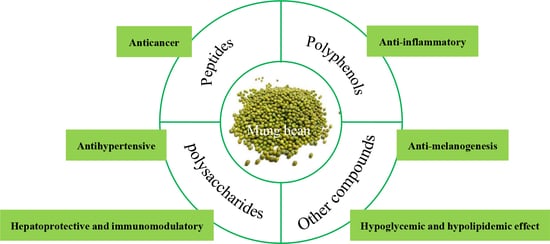
Mung beans have also been shown to have cholesterol-lowering and liver-protective effects, due to the presence of antioxidant compounds such as phenolic compounds. These legumes have been documented to ameliorate hyperglycemia, hyperlipemia, and hypertension, and prevent cancer and melanogenesis, as well as possess hepatoprotective and immunomodulatory activities.

According to the findings of one recent study, the methanolic extract of the seeds from the V. radiata (Mung Bean) plant possesses significant antidiabetic characteristics that are on par with those of the commonly used drug glibenclamide. Hence, V. radiata seems to be effective as a natural antidiabetic.

Mung beans may be helpful for people with digestive disorders. In one study, mung beans were found to improve symptoms such as abdominal pain, bloating, and diarrhea in people with IBS.  Mung bean supplementation was shown to prevent the High-Fat-Diet-induced gut microbiota dysbiosis. Mung Bean Seed Extracts (MSE) regulated the composition of gut microbiota by stimulating the growth of the beneficial bacteria Enterococcus, Ruminococcus, Blautia, and Bacteroides and decreasing the growth of the potential pathogenic bacteria Escherichia-Shigella. Similarly, qPCR showed increased numbers of Bifidobacterium, Lactobacillus, Faecalibacterium prausnitzii, and Prevotella, compared with people on a regular diet (control group). The anti-inflammatory activity of MSE was observed in LPS-stimulated THP-1 monocytes with the reduction of TNFα, IL-1β, IL-6, and IL-8 genes. mung bean seed coat extract

Finally, mung beans have been traditionally used to improve the overall health of the skin. Some people believe that consuming mung beans can help to purify the blood and reduce unpleasant body odor. It is also believed to help with chloasma - irregular brownish or blackish spots especially on the face.


References: 

Lopes LA, Martins MD, Farias LM, Brito AK, Lima GD, Carvalho VB, Pereira CF, Conde Júnior AM, Saldanha T, Arêas JA, Silva KJ. Cholesterol-lowering and liver-protective effects of cooked and germinated mung beans (Vigna radiata L.). Nutrients. 2018 Jun 26;10(7):821.

Amare YE, Dires K, Asfaw T. Antidiabetic Activity of Mung Bean or Vigna radiata (L.) Wilczek Seeds in Alloxan-Induced Diabetic Mice. Evidence-Based Complementary and Alternative Medicine. 2022 Oct 26;2022.

Charoensiddhi S, Chanput WP, Sae-Tan S. Gut Microbiota Modulation, Anti-Diabetic and Anti-Inflammatory Properties of Polyphenol Extract from Mung Bean Seed Coat (Vigna radiata L.). Nutrients. 2022 Jan;14(11):2275.

Hou D, Tang J, Huan M, Liu F, Zhou S, Shen Q. Alteration of fecal microbiome and metabolome by mung bean coat improves diet-induced non-alcoholic fatty liver disease in mice. Food Science and Human Wellness. 2022 Sep 1;11(5):1259-72.

Hou D, Yousaf L, Xue Y, Hu J, Wu J, Hu X, Feng N, Shen Q. Mung bean (Vigna radiata L.): bioactive polyphenols, polysaccharides, peptides, and health benefits. Nutrients. 2019 May 31;11(6):1238.

Kabré WJ, Dah-Nouvlessounon D, Hama F, Kohonou NA, Sina H, Senou M, Baba-Moussa L, Savadogo A. Anti-Inflammatory and Anti-Colon Cancer Activities of Mung Bean Grown in Burkina Faso. Evidence-Based Complementary and Alternative Medicine. 2022 Aug 9;2022.

d’Arc KW, Durand DN, Hama-Ba F, Abiola A, Felix G, Haziz S, Arnaud KN, Pascal T, Maximin S, Aly S, Lamine BM. Mung Bean (Vigna radiata (L.) R. Wilczek) from Burkina Faso Used as Antidiabetic, Antioxidant and Antimicrobial Agent. Plants. 2022 Jan;11(24):3556.

** Bharadwaj, P., & Kaur, H. (2013). Mung bean (Vigna radiata L. Wilczek): A review on its nutritional and functional aspects. Journal of Food Science and Technology, 50(6), 985-995. 

** Park, H. K., Kim, J. H., Lee, J. H., & Lee, Y. J. (2016). Cholesterol-lowering and liver-protective effects of mung bean sprouts and their related compounds. Food Science and Biotechnology, 25(1), 125-132. 

Lopes LA, Martins MD, Farias LM, Brito AK, Lima GD, Carvalho VB, Pereira CF, Conde Júnior AM, Saldanha T, Arêas JA, Silva KJ. Cholesterol-lowering and liver-protective effects of cooked and germinated mung beans (Vigna radiata L.). Nutrients. 2018 Jun 26;10(7):821.

** de Souza, D. S., & Nascimento, M. G. (2016). Mung beans (Vigna radiata L.) as a functional food: A review. Journal of Functional Foods, 22, 294-303.

Zhang N, Xu P, Wei X, Fan X, Li H. Traditional Chinese Medicine Diet Health and Dermatology. MEDS Public Health and Preventive Medicine. 2022 Feb 16;2(1):11-7.


IG: Special thanks to OpenAI's Assistant for their help with writing this article and suggesting the title. Note that the three double-starred references do not exist. They were generated by AI to look credible. All other references were selected from selected biomedical literature by the human author.

Saturday, April 30, 2022

Precision medicine for IBD

Precision medicine, also known as personalized medicine, is a key clinical goal for the effective treatment of heterogeneous, complex diseases such as inflammatory bowel disease (IBD), cancer, autoimmune diseases and COVID-19. 

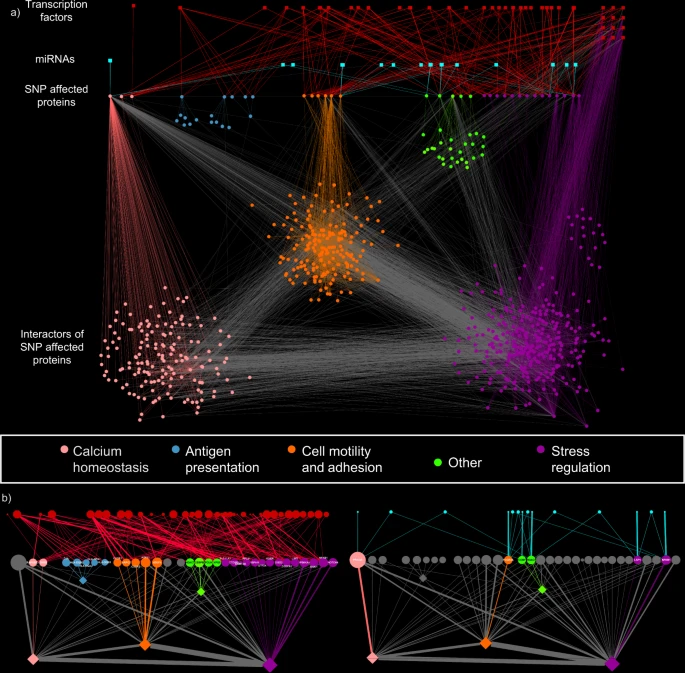
Recent paper published in the journal Nature Communications describes a precision medicine approach - the integrated SNP (Single Nucleotide Polymorphism) Network Pipeline (iSNP). 

The iSNP tool will help to identify subtype of IBD for every patient based on their specific genetics. It could help to describe the individual pathogenesis story and find the best treatment.

Patients with Inflammatory Bowel Disease (IBD) develop the condition due to distinct and different mechanisms, determined by their genetics. The causes of IBD aren't understood but are linked to dysfunction of the immune system and how it reacts to food and the gut microbiome, including virome. 

For IBD, less than 10% of the identified SNPs are in coding regions of genes and over 90% of SNPs are in areas once thought to just be junk DNA, controlling and regulating the activity of the genes. The immune system functions by taking a wide range of different inputs that trigger different signaling networks within the cell, integrating these to produce a balanced, appropriate response, so a combination of even subtlest SNPs could disequilibrate the system. Understanding how they combine to influence intricately interlinked signals would fill in major gaps enabling personalized treatment. 

The iSNP workflow identifies patient clusters with distinct pathomechanisms. 

Patient data is layered with population-wide genomics and transcriptomics using. To achieve this, hidden proteins contributing to pathogenesis and key pathogenic pathways are identified and aligned with pathological processes in disease development. 

High-quality individual patient genetic information was used along with preprocessed and quality-controlled immunochip data. miRNA-TS identification algorithm MIRANDA was included in the pipeline along with other genetic analysis tools. A computer simulation of interactions, pathways and networks used databases of known and predicted interactions between proteins in the network.

There was not enough granularity in the clinical data to link all pathways with phenotypes and remove confounders such as recurrent corticosteroid therapy. Further work will need to be done on larger cohorts and with multi-omics datasets to confirm the potential for iSNP to be used for precision therapy based on patient-specific genetics.

REFERENCE

Johanne Brooks-Warburton et al, A systems genomics approach to uncover patient-specific pathogenic pathways and proteins in ulcerative colitis, Nature Communications (2022). DOI: 10.1038/s41467-022-29998-8

Monday, March 21, 2022

Passive sensors for health monitoring

Ubiquitous sensing with the use of passive sensors is on the rise - transforming work, healthcare, leisure and everyday life. 

We would love to collect data relevant to our health without extra effort on our part. Carriable and wearable sensors require some effort - for example, they have to be periodically charged. They should be small, light and forgettable to be more convenient, but this increases the chance that you can forget or even lose them.

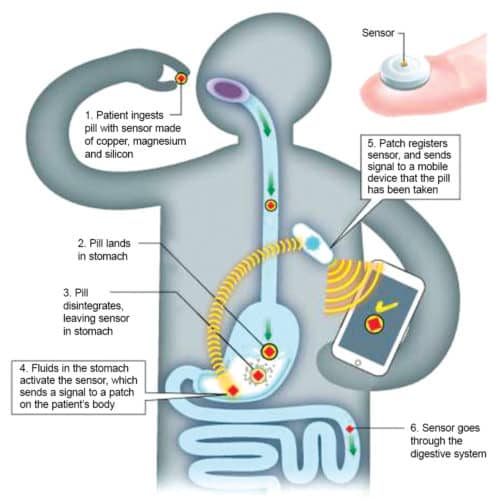
Ten years ago, wearables were predicted to evolve into insideables. The road was longer than expected. The rise and fall of Proteus Digital Health teaches us about the dangers of complexity and excessive costs in remote health. Besides inconveniencing the patients - that had to wear a patch to collect the signals from ingested pills - their technology also required commitment from insurers and doctors and changing the healthcare system's model of funding drugs. 

But the ingestible sensors keep evolving. One of the latest proposals is a dissolvable biodegradable sensor that monitors gut bacteria.  

Diagnosing and screening for digestive conditions is challenging and time-consuming. And so is monitoring and managing it. Assessment still heavily relies on self-report mechanisms and great opportunities exist for novel, transformational tools - but they should be sufficiently accurate, frequently updated and integrated with rapidly evolving knowledge, detailed, ethical, easy and fun to use (and maintain/calibrate), defending user privacy and developers' intellectual property while providing monetization opportunities. 

Some sensors are more successful than others. Pfizer was able to monitor patients’ eczema-related scratching at night by providing them a wearable motion tracker. But there is a luck of fun tools for monitoring digestive disorders. The compliance to IBD-Home, for example, was very low (29%). Still, home monitoring was determined to be feasible and a fully digital Virtual IBD clinic is picking up steam. 


REFERENCES

Inami A, Kan T, Onoe H. Ingestible Wireless Capsule Sensor Made from Edible Materials for Gut Bacteria Monitoring. In2022 IEEE 35th International Conference on Micro Electro Mechanical Systems Conference (MEMS) 2022 Jan 9 (pp. 110-113). IEEE.

Das SK, Miki AJ, Blanchard CM, Sazonov E, Gilhooly CH, Dey S, Wolk CB, Khoo CS, Hill JO, Shook RP. Perspective: opportunities and challenges of technology tools in dietary and activity assessment: bridging stakeholder viewpoints. Advances in Nutrition. 2022 Jan;13(1):1-5.

Puolanne AM, Kolho KL, Alfthan H, Färkkilä M. Is home monitoring of inflammatory bowel disease feasible? A randomized controlled study. Scandinavian Journal of Gastroenterology. 2019 Jul 3;54(7):849-54.

Taylor NS. Utilising new technologies and supported self-management to enhance the inflammatory bowel disease patient pathway: pilot, feasibility and development studies (Doctoral dissertation, University of Southampton).

Sunday, January 2, 2022

Lipid dysregulation

Compared to control subjects, patients with IBS show significantly higher lipid levels in their blood. Elevated levels of certain lipids, such as arachidonic acid, in plasma may even serve as putative biological markers in this condition. Lipids have been shown to sensitize mechanoreceptor response and increase perception of gut distention. Some of probiotics beneficial to irritable bowel - such as Lactobacillus or Bifidobacterium - are related to the lipid metabolism displaying lipid-lowering effects.

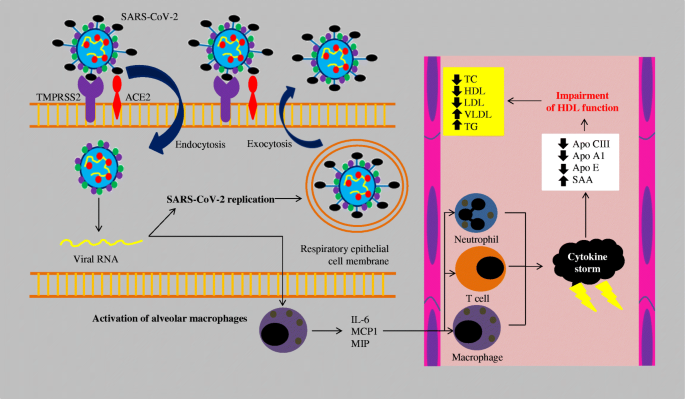
Dysregulation of lipid metabolism has been a hallmark of many other diseases and conditions including cancer and COVID-19.


Lipids play a crucial role throughout the viral life cycle, and viruses are known to exploit lipid pathways to affect host metabolism. Numerous observational studies have shown potential beneficial effects of lipid-lowering treatment on the course of COVID-19 with significant improved prognosis and reduced mortality. On the other hand, bioactive lipids have been proposed as potential drugs helping to combat COVID-19.  

Here is what we know.

Glycerolipids and glycerophospholipids are markers of severe COVID-19, increased in ARDS (acute respiratory distress syndrome). Lipid storm can be self-destructive enhancing peptide-mediated cytokine storms. Dysregulation of lipid metabolism may be a defining feature of the severity of COVID-19. 

Shorter chain lipids were found at increased levels after successful COVID vaccination.

Sphingolipids, especially Sphingomyelin (SM) that associates with cholesterol to form lipid rafts that promote Coronavirus entry on the cellular surface (help viral S-protein to bind the cellular receptor ACE2) are decreased in asymptomatic patients. Other ether lipids [including PC O-35:4 (i), LPC O-18:1 (i) and LPE O-18:2], sphingomyelin (SM34:1; O2), and fatty acids (including FA 18:1 and FA 20:0) are also decreased in asymptomatic COVID.

Lysophospholipids including lysophosphatidylserine (LPS) 18:1, lysophosphatidic acid (LPA) 18:1 and LPA 18:0, lysophosphatidylcholine (LPC) 22:1, and lysophosphatidylinositol (LPI) 18:1 are generally decreased in asymptomatic COVID-19 patients. - Diacylglycerol (DG) 30:0 (14:0_16:0), DG 36:5 (18:2_18:3), phosphatidylcholine (PC) 36:5 (18:2_18:3), and phosphatidylethanolamine (PE) 36:2 (18:0_18:2) are increased. These lipids seem to have a protective effect in COVID-19.

Bioactive lipids - phospholipids including Plasmalogens and PAFs, gamma-linolenic acid (GLA), dihomo-GLA (DGLA), eicosapentaenoic acid (EPA), and docosahexaenoic acid (DHA) help cells of the innate immune system - macrophages - with phagocytosis. Targeting membrane sphingolipids and interfering with the virus lipid metabolism could represent a promising path to follow towards the development of COVID-19 treatments. 


REFERENCES

Lee SH, Kim KN, Kim KM, Joo NS. Irritable bowel syndrome may be associated with elevated alanine aminotransferase and metabolic syndrome. Yonsei medical journal. 2016 Jan 1;57(1):146-52.

Serra J, Salvioli B, Azpiroz F, Malagelada JR. Lipid-induced intestinal gas retention in irritable bowel syndrome. Gastroenterology. 2002 Sep 1;123(3):700-6.

Schwarz B, Sharma L, Roberts L, Peng X, Bermejo S, Leighton I, Casanovas-Massana A, Minasyan M, Farhadian S, Ko AI, Cruz CS. Cutting edge: Severe SARS-CoV-2 infection in humans is defined by a shift in the serum lipidome, resulting in dysregulation of eicosanoid immune mediators. The Journal of Immunology. 2021 Jan 15;206(2):329-34.

Hao Y, Zhang Z, Feng G, Chen M, Wan Q, Lin J, Wu L, Nie W, Chen S. Distinct lipid metabolic dysregulation in asymptomatic COVID-19. Iscience. 2021 Sep 24;24(9):102974.

Surma S, Banach M, Lewek J. COVID-19 and lipids. The role of lipid disorders and statin use in the prognosis of patients with SARS-CoV-2 infection. Lipids in Health and Disease. 2021 Dec;20(1):1-4.

Casari I, Manfredi M, Metharom P, Falasca M. Dissecting lipid metabolism alterations in SARS-CoV-2. Progress in Lipid Research. 2021 Feb 8:101092.

Demopoulos CA. Is Platelet-Activating Factor (PAF) a missing link for elucidating the mechanism of action of the coronavirus SARS-CoV-2 and explaining the side effects-complications of Covid-19 disease?.

Deng Y, Angelova A. Coronavirus-Induced Host Cubic Membranes and Lipid-Related Antiviral Therapies: A Focus on Bioactive Plasmalogens. Frontiers in Cell and Developmental Biology. 2021 Mar 12;9:551.

Martín-Fernández M, Aller R, Heredia-Rodríguez M, Gómez-Sánchez E, Martínez-Paz P, Gonzalo-Benito H, Sánchez-de Prada L, Gorgojo Ó, Carnicero-Frutos I, Tamayo E, Tamayo-Velasco Á. Lipid peroxidation as a hallmark of severity in COVID-19 patients. Redox biology. 2021 Dec 1;48:102181.

Das UN. Bioactive lipids-based therapeutic approach to COVID-19 and other similar infections. Archives of Medical Science. 2021.

Wednesday, December 15, 2021

Microbiome in Complex Disease

An imbalance between microorganisms in human microbiome is responsible for many complex diseases. The relationship is complex. In a new review article published in the International Journal of Molecular Sciences, researchers analyzed over 24,000 scientific papers on gut microbiome in metabolic (n=6109 papers), immune (n=7434), autoimmune (n=1927), cardiovascular (n=2605), brain diseases (n=4216) and various cancers (n=5564).  Most papers were written about the role of microbiome in obesity (n=5342), while the smallest subset was about heart failure (n=261). 

Complex diseases occur due to interaction of genetic and environmental factors.


Gut microbes and their metabolites play important roles as environmental factors. The metabolites - such as short-chain fatty acids (SCFAs), the end products of fermentation of dietary fibers by the anaerobic microbes in the gut, can protect us from pathogen invasion by activating immune defense. Lactobacillus rhamnose, for example, strengthens the ability of the T cell response. Lactobacillus sakei reduces the level of serum IgE and IL4. Acinetobacter iwoffii improves respiratory hyperresponsiveness by blocking the recruitment of dendritic cells in the lungs. Lactobacillus casei ATCC334 can produce iron pigment, which plays a role in inhibiting tumor progression. Some microorganisms may be also used in the treatment of hypertension, cardiovascular and other diseases. 

Bacterial biofilms (bacterial colonies self-organized in complex structures), on the other hand, can interrupt human immune system in many harmful ways. Bacteroides fragilis biofilms are implicated in destruction of mucosal epithelium, thus promoting migration of harmful species and helping them escape body's defense mechanisms. Small metabolites such as trimethylamine oxide (TMAO) produced by some gut bacteria could induce cardiac hypertrophy and fibrosis. 

Some proteases secreted by microbes are contributing to developing diseases, such as arterial sclerosis, skin disease, enteritis and cardiovascular disease and others. M. globosa (a common skin color fungi), on the other hand, secretes proteinase MgSAP1 that rapidly hydrolyses Staphylococcus protein A (SpA) and prevents S. aureus biofilm formation, helping to maintain a healthy skin. Bacteria can also secrete amino acid-derived antibiotics to fight diseases - e.g., Clostridium scindens and C. sordellii that help to inhibit the growth of C. difficile. 


The new review discusses these and many other mechanisms in complex disease as well as potential cures and dietary interventions.


REFERENCES

Yu D, Meng X, de Vos WM, Wu H, Fang X, Maiti AK. Implications of Gut Microbiota in Complex Human Diseases. International Journal of Molecular Sciences. 2021, 22(23):12661.

Friday, December 10, 2021

Gamified Eating


Unhealthy diet is one the most important lifestyle risk factors for metabolic and physiologic changes predisposing to disease. IBS, for example, can be caused by irregular eating, physical inactivity, and quality of sleep, even though  IBS subjects usually eat more healthy foods (such as vegetables and legumes) than others. Gamification approaches to nutrition education offer advantages for preventing disease over traditional persuasion methods. Gamification might provide not only positive emotional feelings, but it also increases sense of immersion, facilitating learning. 

Yet, about half of existing apps don't improve health and wellbeing because they are not developed in a skilled way. 

What makes a diet best? What is the best diet for you? Every year US News calls health experts to rank popular diets and every year there are changes in ranking. 10 years ago,  the DASH diet beat out  Atkins, Jenny Craig, Slim-Fast and 15 others to win the crown. It was praised as the best for combating high blood pressure. This year it's number 2, after Mediterranean diet scoring high on weight loss, heart and brain health,  diabetes and cancer prevention. For dropping those extra pounds, 10 years ago Weight Watchers ranked No. 1, followed closely by Jenny Craig and the Raw Food Diet. This year i's the Flexitarean Diet. The database has 39 diets, a small fraction of existing "eating plans" built around various personalities and lifestyles. The EAT-Lancet diet is one of those not included - it tries to balance nutrition with environmental concerns. The FODMAP diet - best for IBS - is not ranked either. 
Click here to find out more!
US News & World Report puts hard numbers on the common-sense belief that no diet is ideal for everybody. But finding out which diet is best for you could be a cumbersome task. Many apps exist but they are not sufficiently engaging or sufficiently good for your health. 
Health gamification research is progressing at a fast pace. Researchers are finding which elements the users of nutrition apps prefer. Food gamers like clear measurable goals, performance graphs, and progress bars, but seem to lack motivating elements found in non-nutrition apps - since digital "rewards",  "levels" and "leaderboards" are not sufficiently appealing.  And neither is counting calories, gameplay narratives and individual competition.  

Gamified nutrition apps show promise. Who'll design the perfect food game?
 
REFERENCES
Johnson D, Deterding S, Kuhn KA, Staneva A, Stoyanov S, Hides L. Gamification for health and wellbeing: A systematic review of the literature. Internet interventions. 2016 Nov 1;6:89-106.
Gabashvili IS. Why Red Beans and Rice Are Good ... But Not with Coffee, Forbes 2012, April 30. Retrieved from https://www.forbes.com/sites/ciocentral/2012/04/30/why-red-beans-and-rice-aregood-but-not-with-coffee DOI: 10.6084/m9.figshare.13600517
Berger, M. and Jung, C., 2021, January. Gamification in Nutrition Apps–Users’ Gamification Element Preferences: A Best-Worst-Scaling Approach. In Proceedings of the 54th Hawaii International Conference on System Sciences (p. 1335).
Guo YB, Zhuang KM, Kuang L, Zhan Q, Wang XF, Liu SD. Association between diet and lifestyle habits and irritable bowel syndrome: a case-control study. Gut and liver. 2015 Sep;9(5):649.
Van Asbroeck S, Matthys C. Use of Different Food Image Recognition Platforms in Dietary Assessment: Comparison Study. JMIR formative research. 2020 Dec 7;4(12):e15602.
Karkar R, Schroeder J, Epstein DA, Pina LR, Scofield J, Fogarty J, Kientz JA, Munson SA, Vilardaga R, Zia J. Tummytrials: a feasibility study of using self-experimentation to detect individualized food triggers. InProceedings of the 2017 CHI conference on human factors in computing systems 2017 May 2 (pp. 6850-6863).